
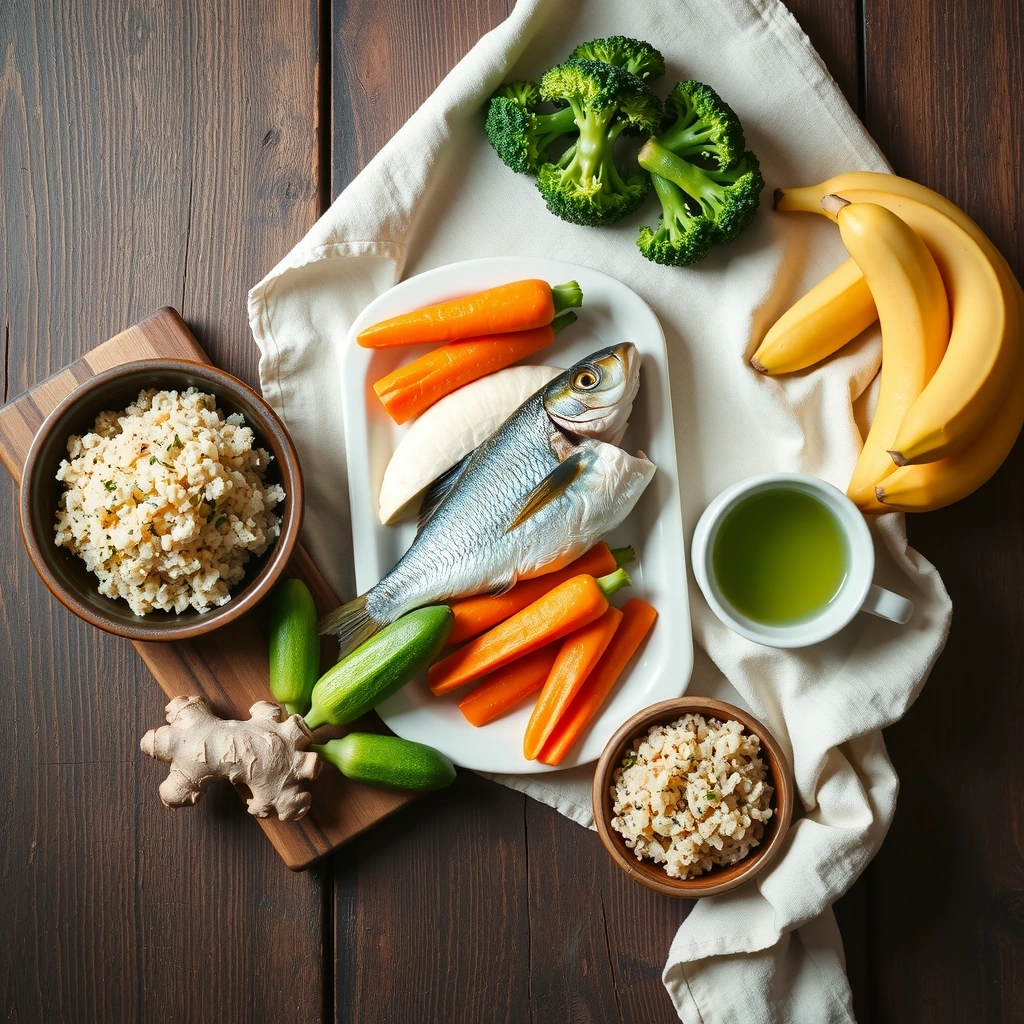
Healing Diet Plans
Expert nutritional guidance and meal plans designed to soothe, heal, and protect your digestive system. Transform your relationship with food while supporting natural ulcer recovery.
Foods That Heal
Nourishing foods carefully selected for their gentle, anti-inflammatory, and healing properties. These nutrients work harmoniously to reduce irritation and support your body's natural repair mechanisms.
Gentle Proteins for Repair
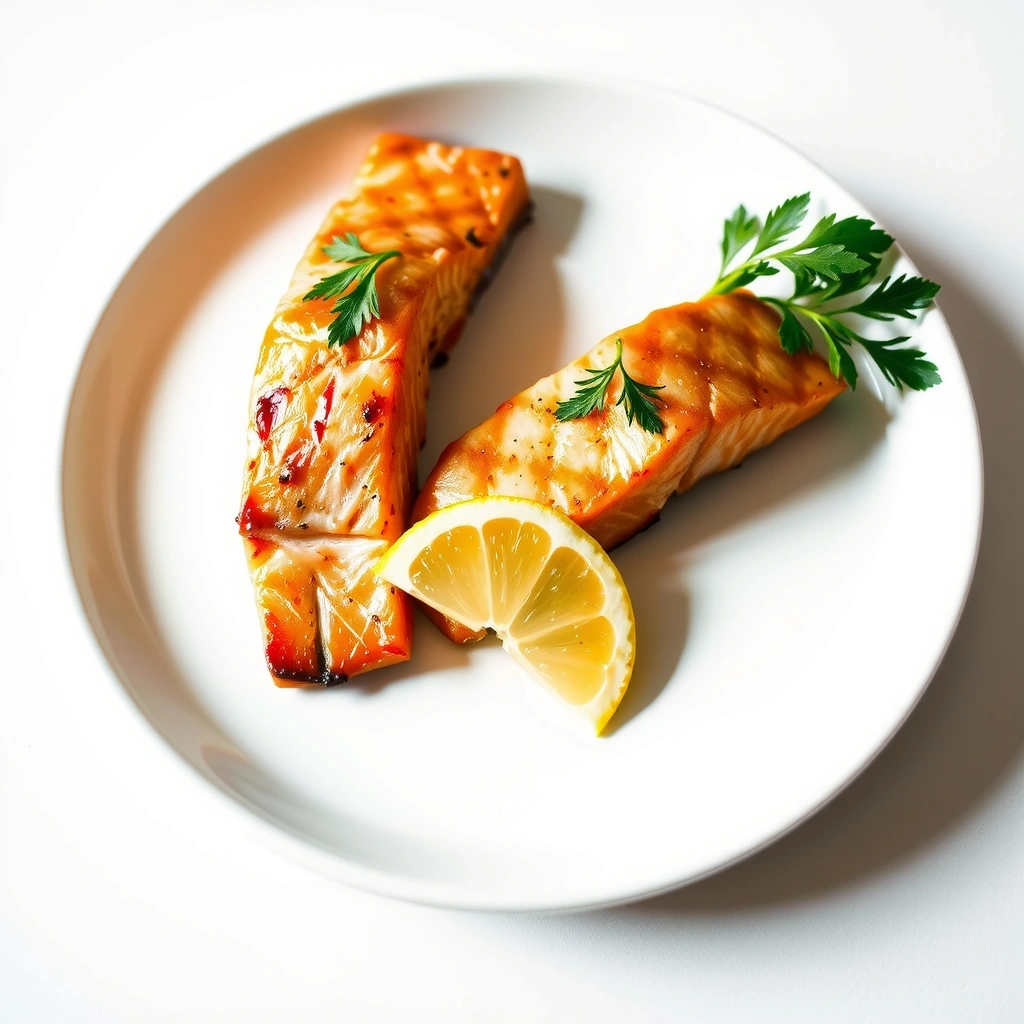
Fresh Fish (Salmon, Cod, Halibut)
Rich in omega-3 fatty acids and high-quality protein, fish provides essential amino acids for tissue repair while remaining gentle on sensitive digestive systems.
- Anti-inflammatory omega-3s
- Complete amino acid profile
- Easy to digest protein
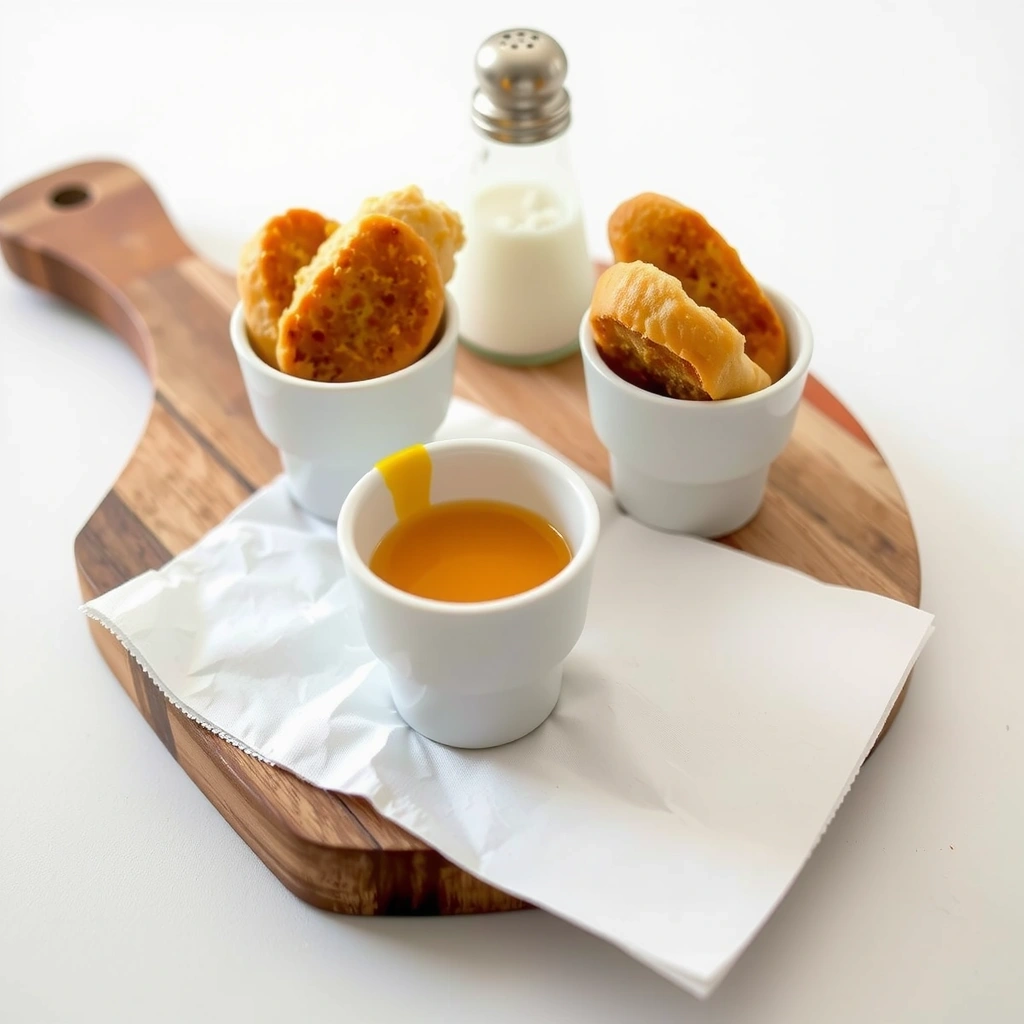
Soft-Boiled Eggs
Perfectly prepared eggs provide complete protein while being one of the most easily digestible protein sources available.
- Highest biological value protein
- Contains healing choline
- Gentle on stomach lining
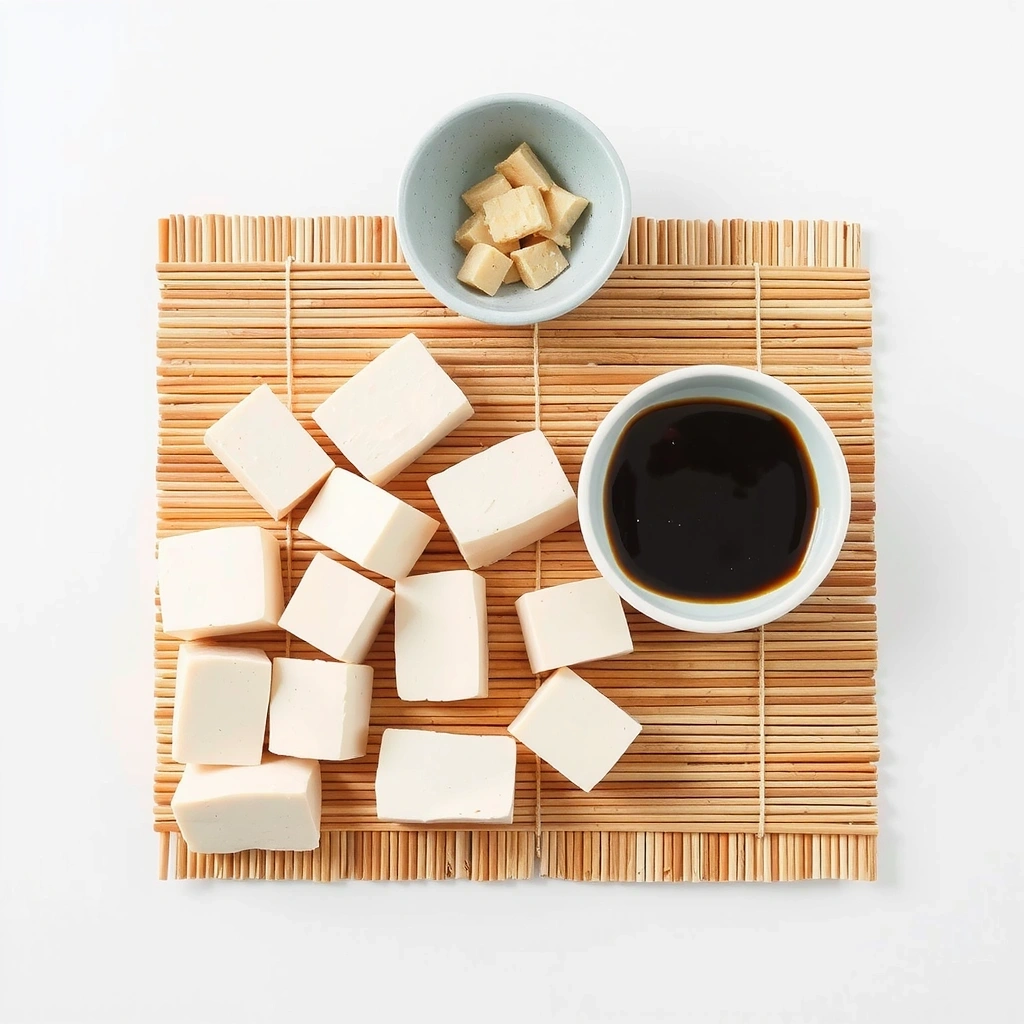
Silken Tofu
Plant-based protein that's incredibly gentle and versatile. Contains isoflavones that may help reduce inflammation in the digestive tract.
- Complete plant protein
- Anti-inflammatory isoflavones
- Easy to absorb nutrients
Healing Grains and Starches
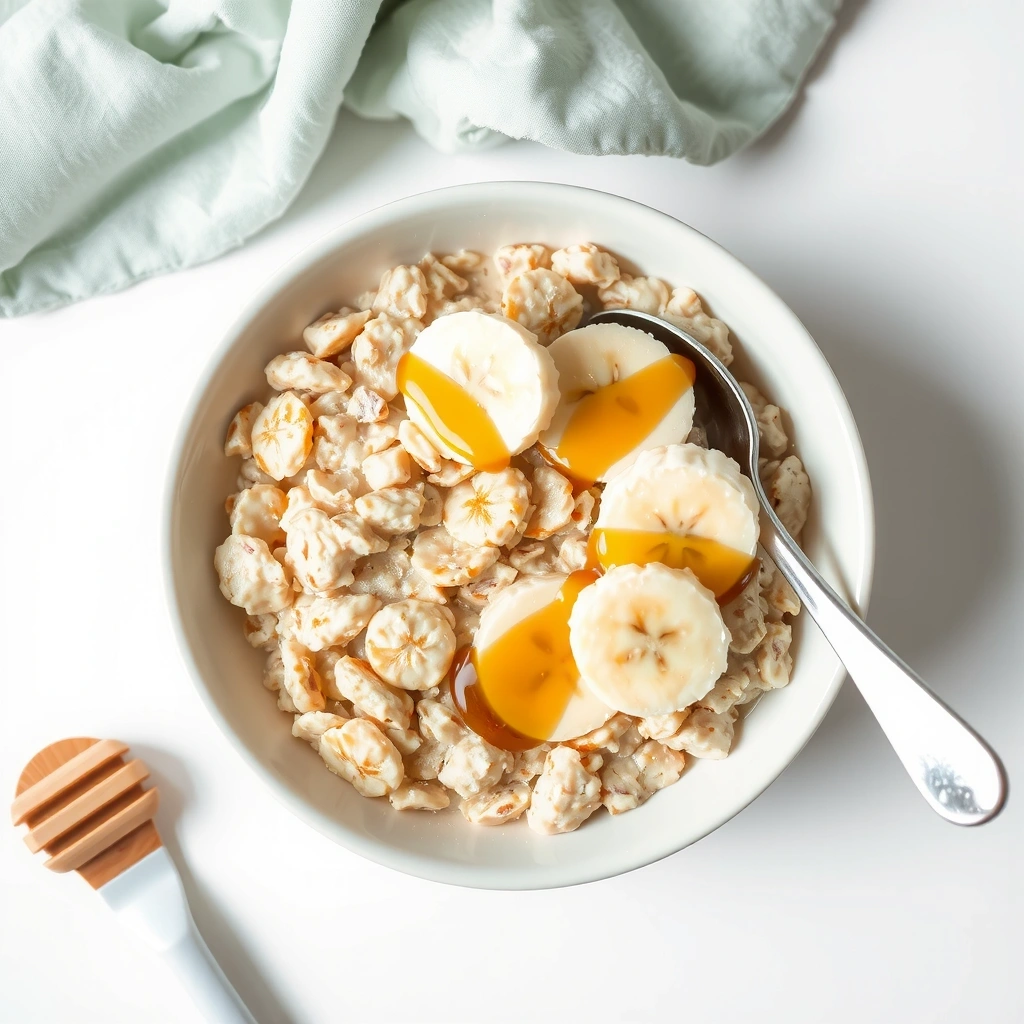
Oatmeal (Steel-Cut or Rolled)
Rich in soluble fiber that forms a protective gel in the digestive tract, providing sustained energy while soothing irritation.
- Beta-glucan fiber for gut health
- Sustained energy release
- Coating protective barrier
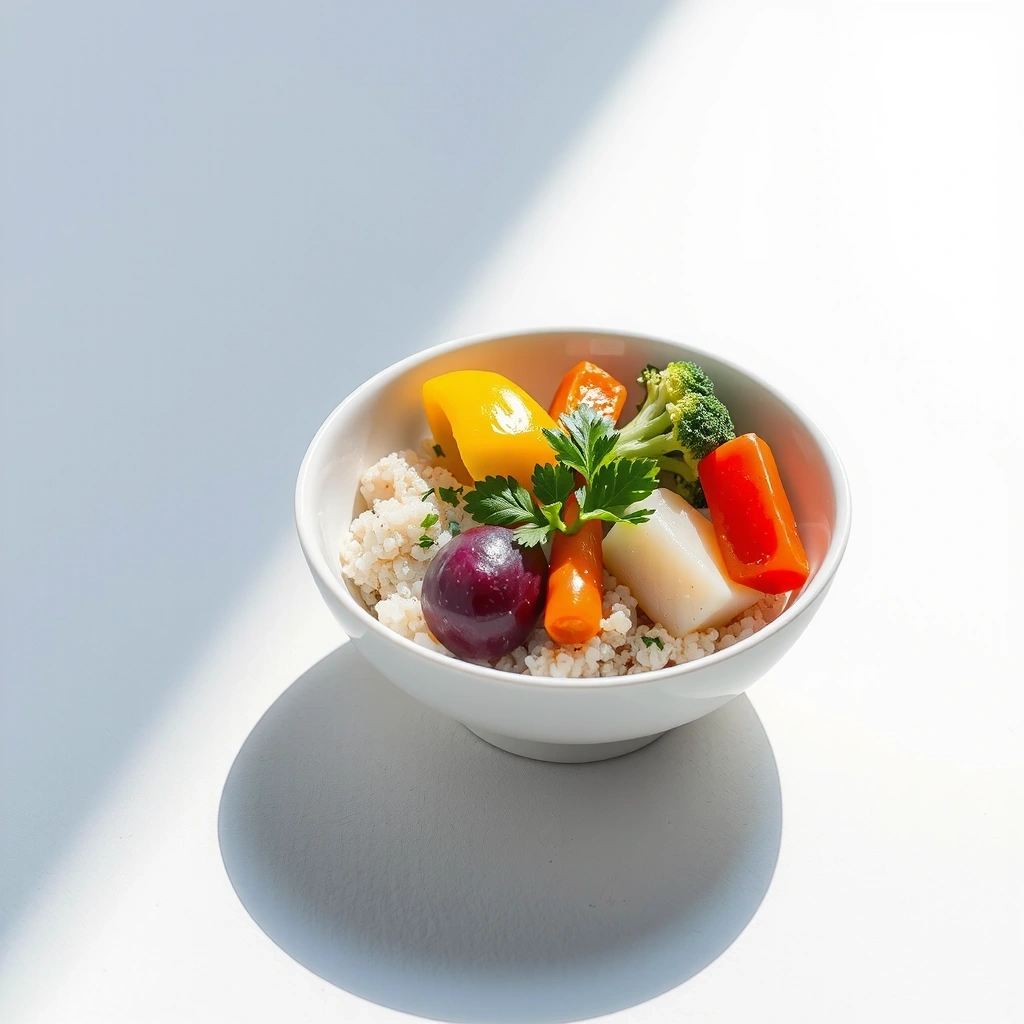
Quinoa
A complete protein grain that's naturally gluten-free and provides all essential amino acids with excellent digestibility.
- Complete protein source
- Iron and magnesium rich
- Gluten-free alternative
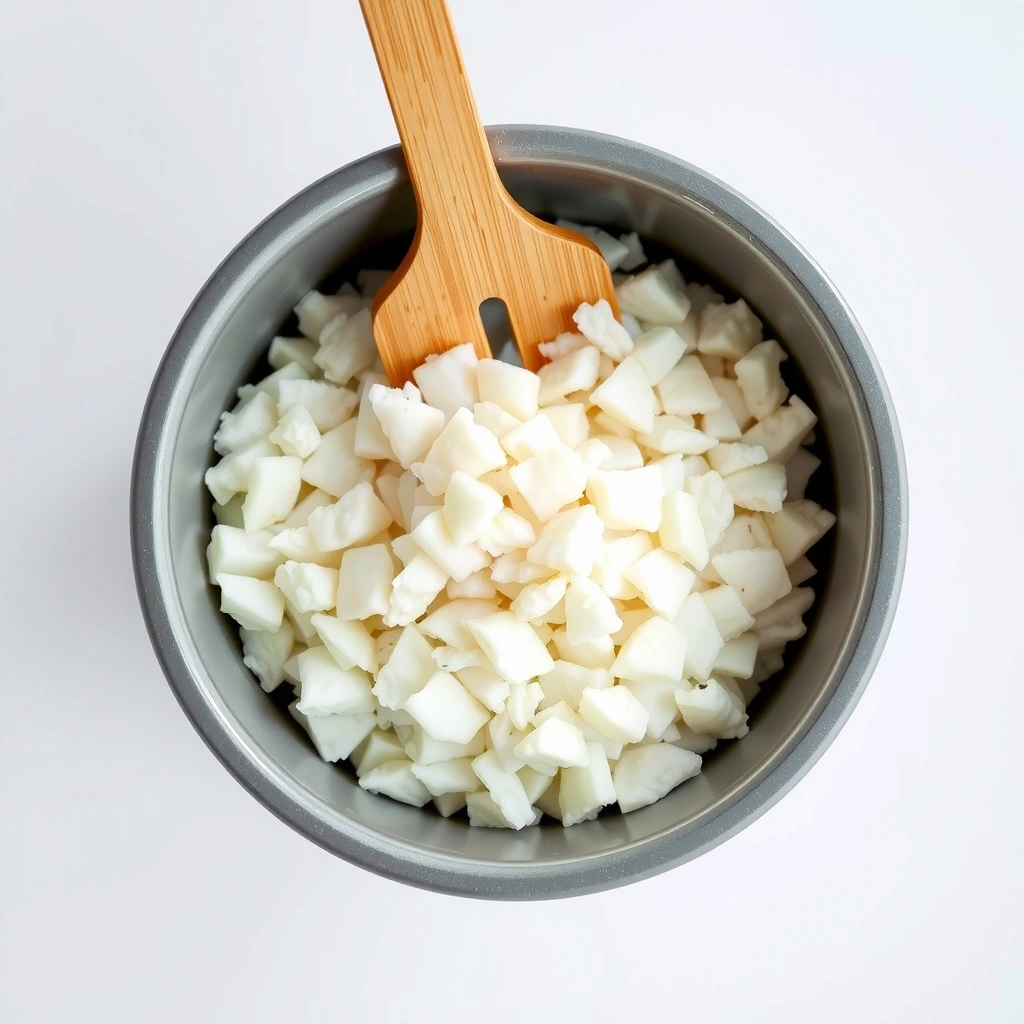
White Rice (Well-Cooked)
The most easily digestible carbohydrate that provides energy without irritating the digestive system or triggering excess acid production.
- Easiest to digest grain
- Neutral pH balance
- Provides quick energy
Anti-Inflammatory Vegetables
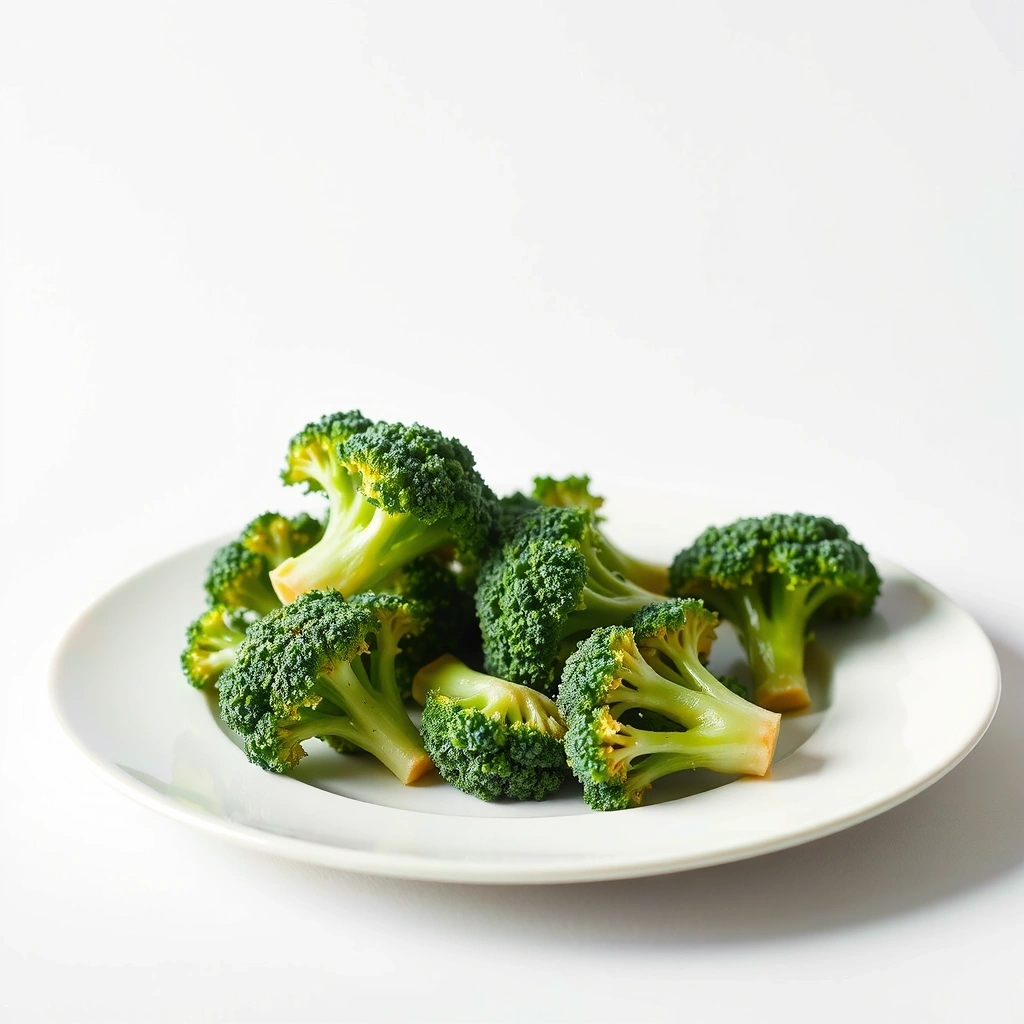
Broccoli
Rich in vitamin C and sulforaphane, supporting immune function and reducing inflammation.
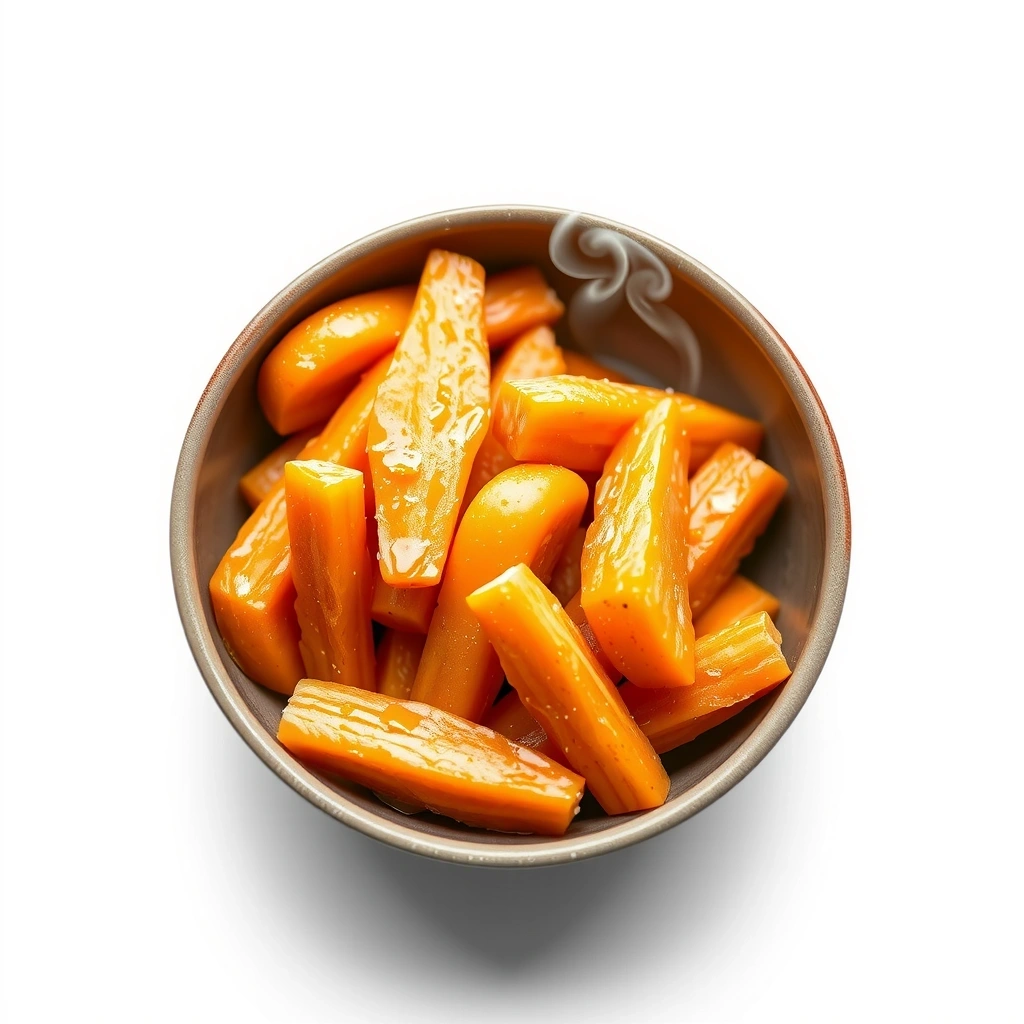
Carrots
High in beta-carotene and gentle fiber, easy to digest while providing essential nutrients.
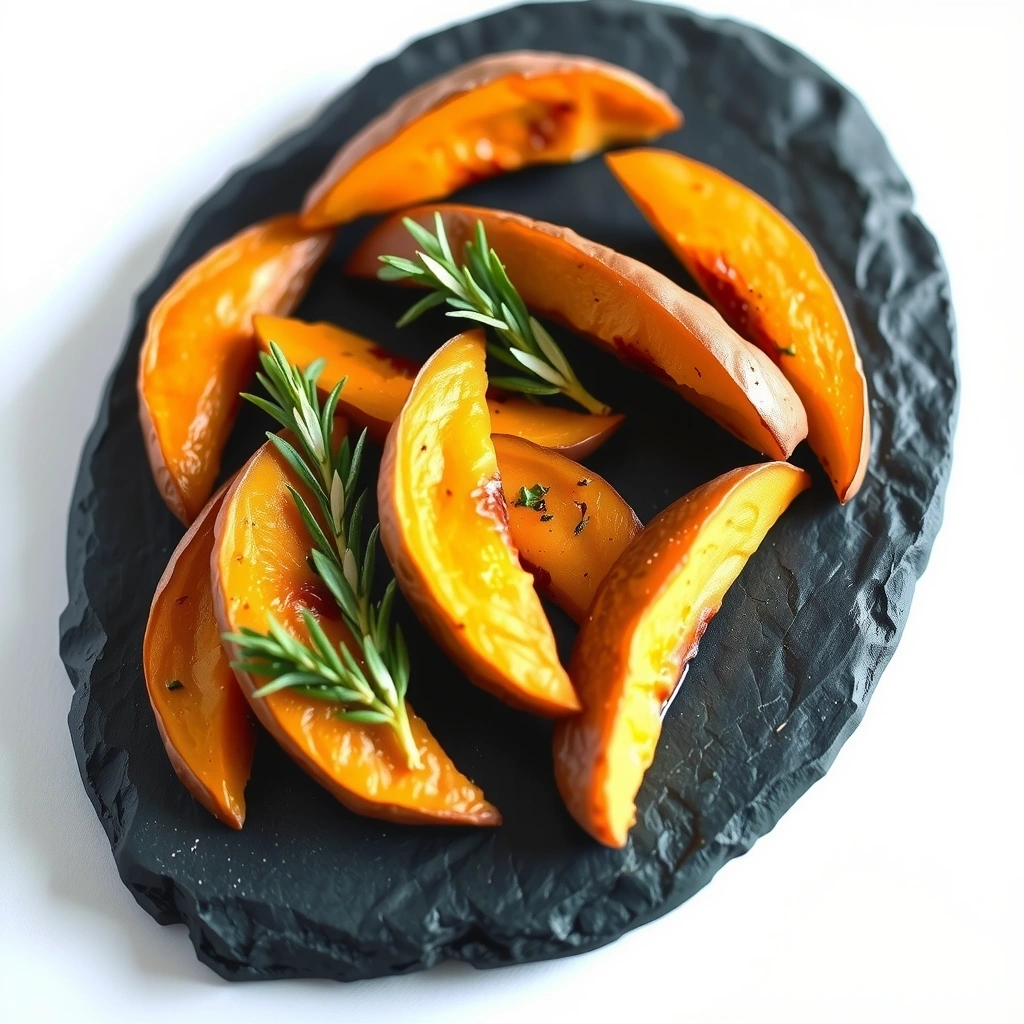
Sweet Potatoes
Naturally sweet, rich in vitamins A and C, provide gentle energy and anti-inflammatory compounds.
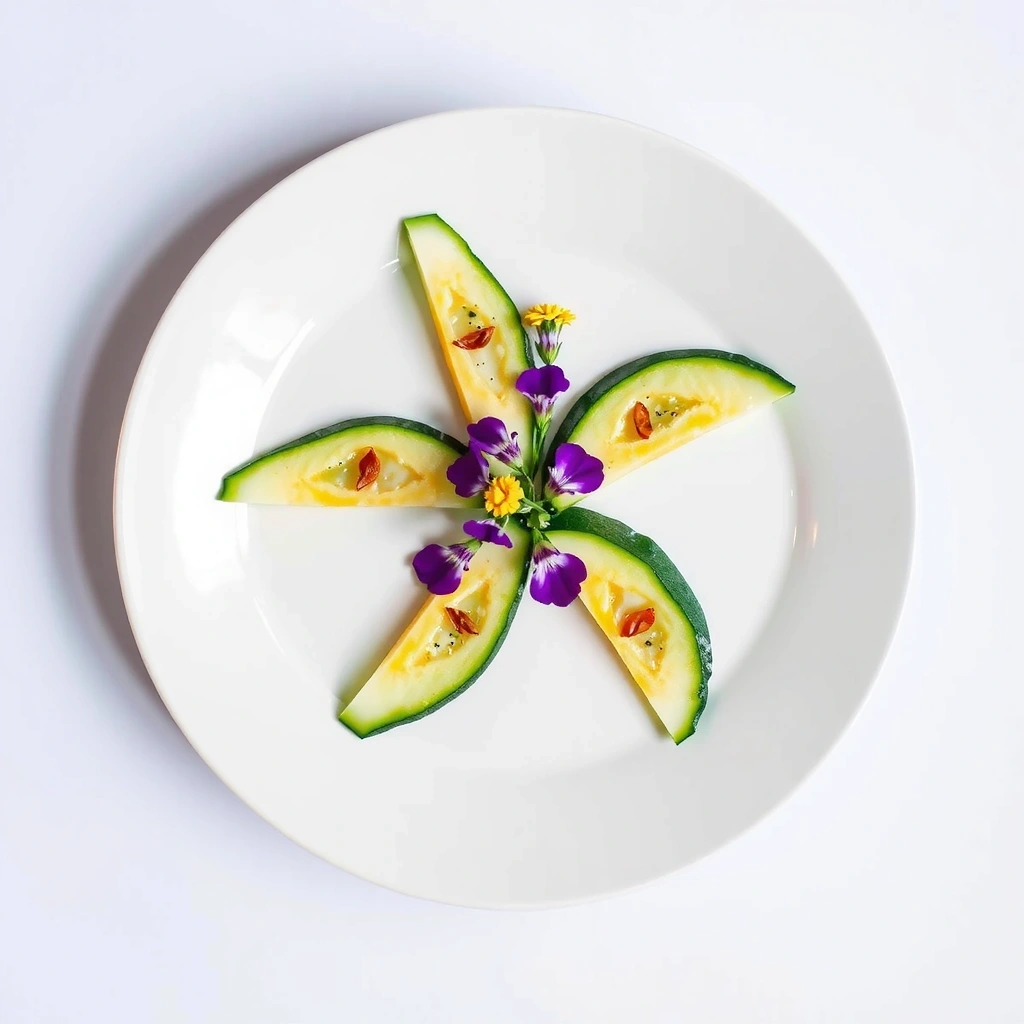
Zucchini
Mild-flavored summer squash that's incredibly gentle and hydrating for sensitive stomachs.
Safe Fruits for Sensitive Stomachs
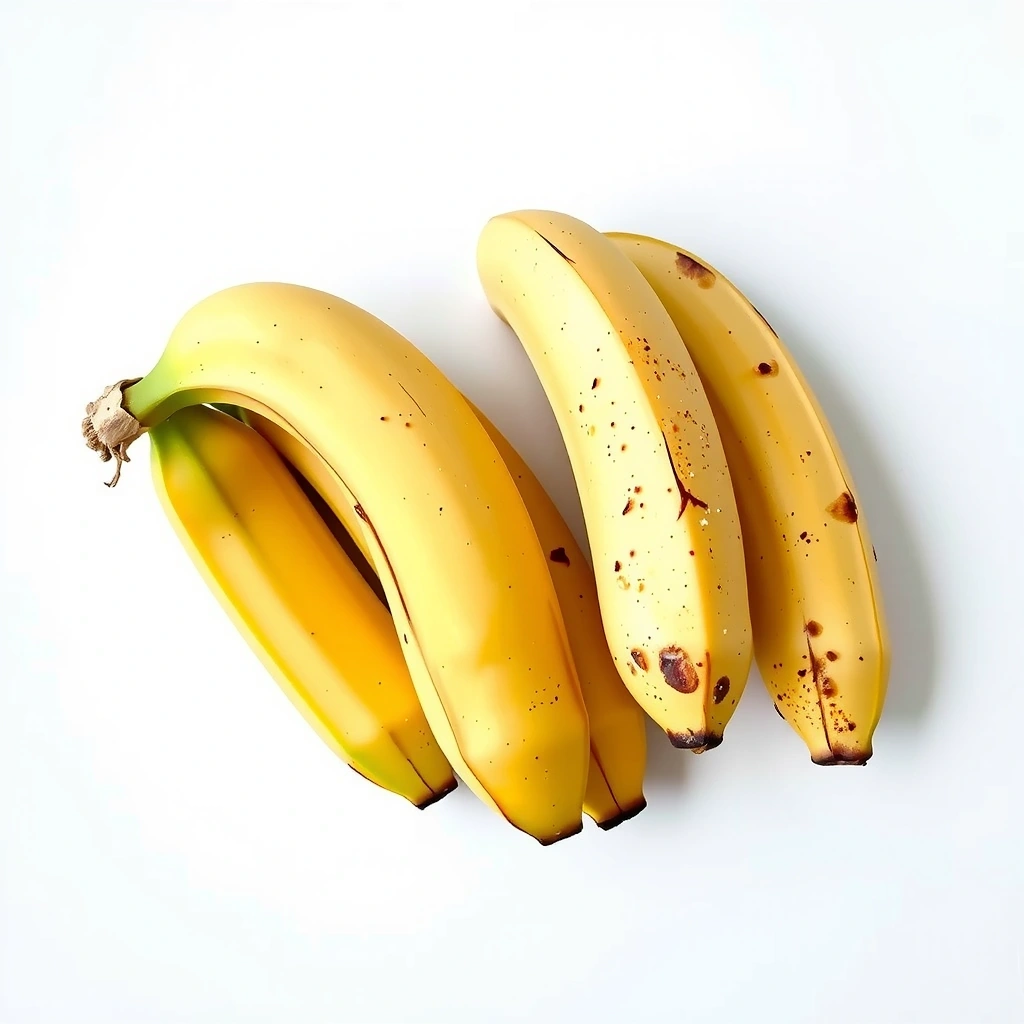
Ripe Bananas
Natural antacid properties and gentle texture make bananas ideal for soothing irritated stomach lining while providing quick energy.
- Natural antacid effect
- Potassium for healing
- Gentle on esophagus
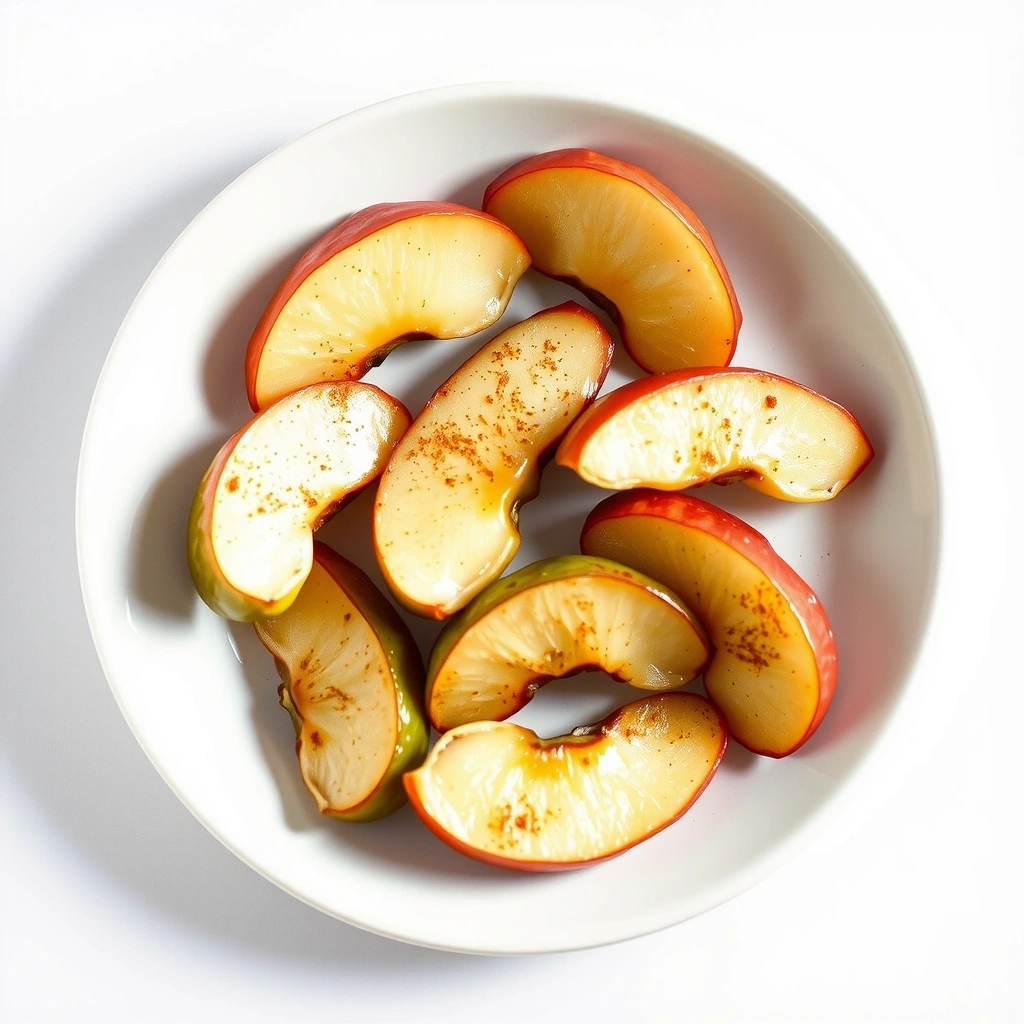
Cooked Apples (Applesauce)
Stewed or pureed apples provide vitamins and fiber in an easily digestible form that won't aggravate sensitive digestive systems.
- Pectin for gut health
- Easy to digest fiber
- Natural sweetness
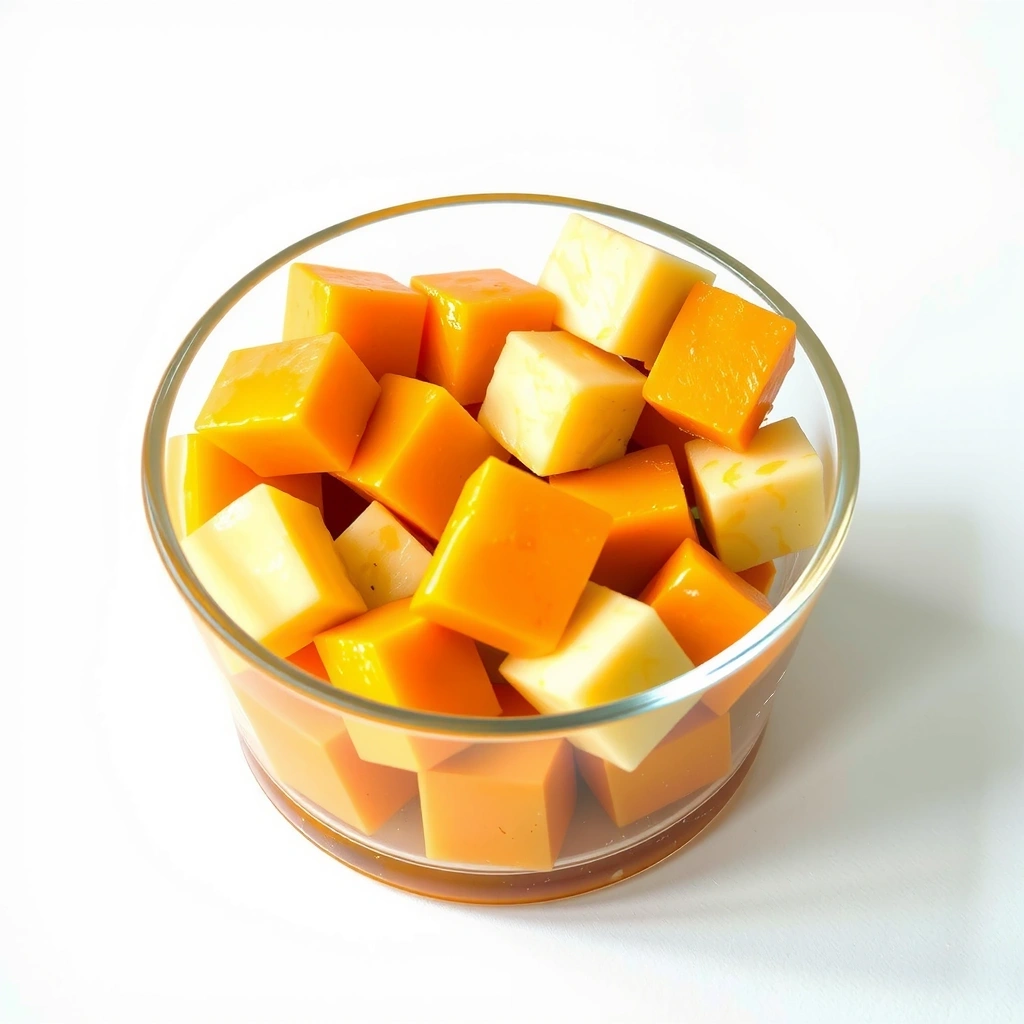
Melons (Cantaloupe, Honeydew)
High water content and natural sweetness make these fruits gentle and hydrating while providing essential vitamins.
- High water content
- Low acid content
- Naturally hydrating
Key Healing Principles
Gentle
Foods that are naturally soft, low-acid, and easy to digest
Anti-Inflammatory
Natural compounds that reduce inflammation and support healing
Protective
Foods that form protective barriers and coat the digestive lining
Nutritious
Complete nutrition supporting the body's natural healing processes
Foods to Avoid
Understanding which foods can irritate your digestive system is crucial for ulcer healing. These ingredients can increase acid production, cause inflammation, or physically damage the healing tissue in your stomach or intestines.
High-Acid Foods
- Citrus fruits (lemons, limes, oranges)
- Tomatoes and tomato-based products
- Vinegar and pickled foods
- Citrus juices and sports drinks
- Carbonated beverages (high acidity)
Spicy & Irritating
- Hot peppers and chili powder
- Black pepper and strong spices
- Hot sauce and spicy condiments
- Curry and spicy ethnic dishes
- Garlic and strong aromatics
Stimulants & Alcohol
- Coffee (regular and decaffeinated)
- Black tea and energy drinks
- Alcohol (especially wine and beer)
- Chocolate and cocoa products
- Menthol and strong mint oils
Processed & Fried
- Deep-fried foods and fast food
- Processed meats and deli meats
- High-fat dairy products
- Packaged snacks and chips
- Frozen meals and instant foods
Why These Foods Are Problematic
Acid Production Triggers
High-acid foods directly increase the production of gastric acid in your stomach. This excess acid can further irritate existing ulcers and prevent proper healing of the damaged tissue. Even mild acids from seemingly healthy foods like oranges can be problematic during the healing phase.
When your stomach produces too much acid, it creates an environment where the protective mucus lining breaks down more easily, exposing the underlying tissue to damage and causing the burning sensation associated with ulcers.
Inflammatory Response
Spicy foods and certain chemicals in processed foods trigger an inflammatory response in your digestive tract. This inflammation increases blood flow to the area, which can exacerbate pain and slow down the natural healing process that your body needs to repair the ulcerated tissue.
The capsaicin in spicy foods, while beneficial in many contexts, can irritate the raw nerve endings in ulcerated areas, causing significant discomfort and potentially delaying healing.
The Elimination Phase
During the first 4-6 weeks of your healing journey, it's essential to completely eliminate these problematic foods. This gives your digestive system time to calm down and your ulcer time to begin healing. After this initial phase, you may gradually reintroduce some foods in small quantities while monitoring your body's response.
Reintroduction Timeline
Week 1-6: Complete elimination • Week 7-12: Gradual reintroduction • Week 13+: Personalized maintenance diet
Sample Daily Meal Plans
Structured meal plans designed for different phases of ulcer healing. Each plan focuses on optimal nutrition while prioritizing digestive comfort and supporting your body's natural repair mechanisms.
Early Healing Phase (Weeks 1-6)
Focus on the most gentle, easily digestible foods. This phase prioritizes reducing inflammation and giving your digestive system complete rest while still providing essential nutrients for healing.
Early Healing Daily Menu
| Time | Meal | Foods | Portion Size |
|---|---|---|---|
| 7:00 AM |
Breakfast
Gentle start to the day
|
Steel-cut oatmeal (1/2 cup dry)
Ripe banana (1 medium), mashed
Raw honey (1 tsp)
|
~300 calories |
| 9:30 AM |
Mid-Morning Snack
Sustained energy
|
White rice (1/4 cup cooked)
Lightly steamed carrot coins
|
~150 calories |
| 12:00 PM |
Lunch
Protein for healing
|
Soft-boiled egg (1 large)
Well-cooked white rice (1/2 cup)
Steamed zucchini (1/2 cup)
|
~280 calories |
| 3:00 PM |
Afternoon Snack
Hydrating and gentle
|
Plain applesauce (1/2 cup)
Fresh cantaloupe (1/2 cup cubed)
|
~100 calories |
| 6:00 PM |
Dinner
Evening nourishment
|
Baked cod (3 oz)
Sweet potato (1/2 medium, mashed)
Steamed broccoli (1/4 cup)
|
~320 calories |
| 8:30 PM |
Evening Snack
Calming and filling
|
Silken tofu (1/4 cup)
Honeydew melon (1/2 cup)
|
~120 calories |
Preparation Guidelines
- Steam vegetables until very soft, almost mushy
- Cook grains until they fall apart easily
- No spices, herbs, or strong seasonings
- Remove all skin from fish and poultry
Sample Substitutions
- White rice → Jasmine or Basmati rice
- Carrots → Butternut squash (cooked soft)
- Zucchini → Yellow squash (peeled)
- Eggs → Soft tofu scramble
Recovery Phase (Weeks 7-12)
As healing progresses, gradually expand your diet to include more variety and nutrients while maintaining gentle preparation methods. This phase focuses on rebuilding strength and introducing a wider range of healing foods.
Recovery Phase Daily Menu
| Time | Meal | Foods | Portion Size |
|---|---|---|---|
| 8:00 AM |
Breakfast
Nourishing start
|
Steel-cut oatmeal (3/4 cup dry)
Blueberries (1/4 cup)
Almond butter (1 tbsp)
|
~420 calories |
| 11:00 AM |
Mid-Morning Snack
Protein boost
|
Greek yogurt (plain, 1/2 cup)
Sliced banana (1/2 medium)
|
~180 calories |
| 1:00 PM |
Lunch
Balanced nutrition
|
Grilled chicken breast (4 oz)
Quinoa (1/2 cup cooked)
Mixed steamed vegetables
|
~480 calories |
| 4:00 PM |
Afternoon Snack
Sustained energy
|
Sweet potato (1 medium, baked)
Hummus (2 tbsp)
|
~220 calories |
| 7:00 PM |
Dinner
Complete nutrition
|
Salmon fillet (4 oz)
Brown rice (1/2 cup cooked)
Roasted asparagus (1 cup)
|
~450 calories |
New Foods Added
- Lean poultry (chicken, turkey)
- Greek yogurt (plain)
- Fresh berries
- Almond butter
- Brown rice
- Hummus
Cooking Methods
- Light grilling
- Baking (minimal oil)
- Gentle steaming
- Light roasting
- Poaching
Still Avoiding
- All spicy foods
- High-acid foods
- Alcohol and coffee
- High-fat fried foods
- Raw vegetables
Maintenance Phase (Week 13+)
Long-term sustainable eating habits that support ongoing digestive health while preventing ulcer recurrence. This phase emphasizes variety, balance, and continued avoidance of known triggers.
Maintenance Phase Daily Menu
| Time | Meal | Foods | Portion Size |
|---|---|---|---|
| 7:30 AM |
Breakfast
Balanced energy
|
Whole grain toast (2 slices)
Avocado (1/2 medium)
Scrambled eggs (2 large)
|
~520 calories |
| 12:30 PM |
Lunch
Complete nutrition
|
Grilled chicken salad
Mixed greens, cucumber, carrots
Olive oil vinaigrette
|
~480 calories |
| 3:30 PM |
Afternoon Snack
Sustained energy
|
Trail mix (nuts and seeds)
Fresh fruit (apple or pear)
|
~280 calories |
| 7:00 PM |
Dinner
Evening nourishment
|
Baked fish (5 oz)
Roasted vegetables
Wild rice (3/4 cup)
|
~520 calories |
Long-term Success Strategies
Continued Trigger Awareness
Maintain awareness of foods that previously caused problems. Even in maintenance, these should remain mostly avoided.
Stress Management
Stress can trigger ulcer symptoms regardless of diet. Maintain regular meal times and practice stress-reduction techniques.
Regular Check-ups
Continue monitoring with healthcare providers to ensure healing is complete and catch any issues early.
Celebration Foods
These foods can be enjoyed occasionally once you're fully healed, but should still be consumed with caution:
(occasional)
(rare occasions)
(minimal amounts)
(small portions)
⚠️ Important: Even when fully healed, always consume these foods in very small portions and monitor your body's response.
Portion and Timing Guidelines
Proper meal timing and portion control are fundamental to ulcer healing. This section provides evidence-based guidelines to optimize your digestion, reduce acid production, and support your body's natural repair processes.
Small Meals Daily
Recommended frequency during healing phase to prevent acid spikes
Hours Between Meals
Minimum time to allow stomach to digest and reduce acid production
PM Last Meal
Latest time to eat before lying down to prevent reflux
Minutes to Chew
Average chewing time per bite to aid digestion
Optimal Meal Timing
Early Healing Phase
- 7:00 AM - First meal (small portion)
- 9:30 AM - Mid-morning snack
- 12:00 PM - Main lunch
- 3:00 PM - Afternoon snack
- 6:00 PM - Dinner
- 8:30 PM - Light evening snack
Recovery & Maintenance
- 7:30-8:00 AM - Breakfast
- 11:00-11:30 AM - Mid-morning snack
- 1:00-1:30 PM - Lunch
- 4:00-4:30 PM - Optional snack
- 7:00-7:30 PM - Dinner
Critical Timing Rule
Never eat within 3 hours of bedtime. Your stomach needs time to empty before lying down to prevent acid reflux and ulcer irritation.
Portion Control Strategy
The "Palm Rule"
Your palm (excluding fingers) represents the ideal portion size for protein in each meal.
Early Healing Phase
- • 50-60% smaller portions than normal eating
- • Focus on soft, easily digestible foods
- • No seconds - stop eating when comfortably full
Recovery Phase
- • 70-80% of normal portion sizes
- • Gradually increase variety and texture
- • Listen to hunger and fullness cues
Maintenance Phase
- • Normal portions of approved foods
- • Emphasis on balanced nutrition
- • Continued avoidance of trigger foods
Supporting Optimal Digestion
Chew Thoroughly
Take 25-30 chews per bite. This breaks down food mechanically and mixes it with saliva, starting the digestion process before food reaches your stomach.
Eat Slowly
Take 20-30 minutes to complete each meal. Eating slowly allows your brain to register fullness and prevents overeating, which can stress your digestive system.
Mindful Eating
Eliminate distractions while eating. Focus on the taste, texture, and aroma of your food. This reduces stress and improves digestive function.
Stay Hydrated
Drink water between meals, not during. Sipping water with meals can dilute digestive enzymes. Aim for 8-10 glasses daily, spaced throughout the day.
Upright After Eating
Remain upright for at least 2-3 hours after eating large meals. This prevents stomach acid from flowing back into the esophagus and irritating ulcers.
Monitor Your Body
Keep a food and symptom diary. Note which foods cause discomfort and adjust your diet accordingly. Every person's triggers are unique.
Your Healing Timeline
Weeks 1-2
Acute symptom relief as your stomach begins to heal and acid production decreases
Weeks 4-6
Noticeable improvement in digestion and reduction in pain episodes
Weeks 8-12
Significant healing as the ulcer base begins to close and strengthen
After 12 Weeks
Maintenance phase begins with continued vigilance and healthy habits
Ready to Start Your Healing Journey?
Transform your relationship with food and support your body's natural healing process with our comprehensive nutrition guidance and personalized meal planning support.
Important Reminder
This dietary information is for educational purposes. Always consult with your healthcare provider or a registered dietitian before making significant changes to your diet, especially when dealing with ulcer conditions.
For medical emergencies or severe symptoms, seek immediate medical attention.