
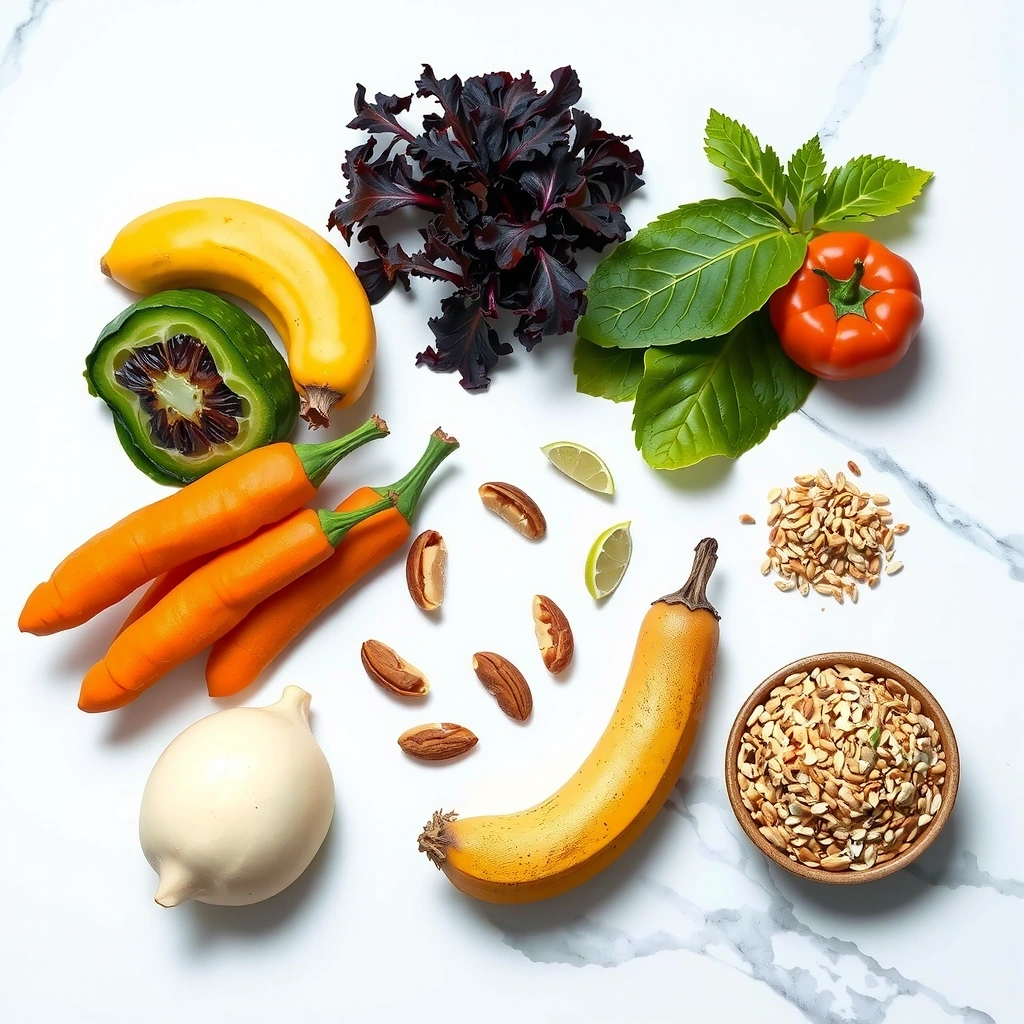
Nutrition Guide for Ulcer Healing
Discover the scientifically-backed nutrients and foods that accelerate stomach ulcer healing and restore digestive health
Essential Healing Nutrients
Understanding the critical nutrients your body needs to repair and strengthen the stomach lining during ulcer healing
| Nutrient | Healing Function | Daily Recommended Amount | Best Food Sources |
|---|---|---|---|
High-Quality ProteinEssential for tissue repair |
Provides amino acids needed for cellular regeneration and tissue repair. Crucial for rebuilding damaged stomach lining and strengthening mucosal barriers. |
1.2-1.5g per kg |
|
Vitamin CPowerful antioxidant healer |
Essential for collagen synthesis and immune function. Helps protect stomach cells from damage and accelerates wound healing by supporting tissue repair mechanisms. |
85-90mg daily |
|
ZincImmune system support |
Critical for immune function and cellular repair. Supports the production of new healthy cells and helps maintain the integrity of the stomach lining barrier. |
8-11mg daily |
|
Omega-3 Fatty AcidsAnti-inflammatory powerhouse |
Reduces inflammation in the digestive tract and promotes healing. EPA and DHA help protect stomach cells and support the production of healing compounds. |
1-2g daily |
|
Vitamin AMucosal barrier support |
Essential for maintaining healthy mucous membranes throughout the digestive system. Supports the protective mucus layer that shields stomach walls from acid damage. |
700-900mcg daily |
|
Important Note on Therapeutic Dosing
While these recommended amounts support general health, ulcer healing may require higher therapeutic doses. However, it's crucial to work with your healthcare provider before exceeding established safe upper limits, especially for fat-soluble vitamins like A and D.
Some nutrients may interact with medications or affect bleeding risk, so professional guidance is essential during the healing process.
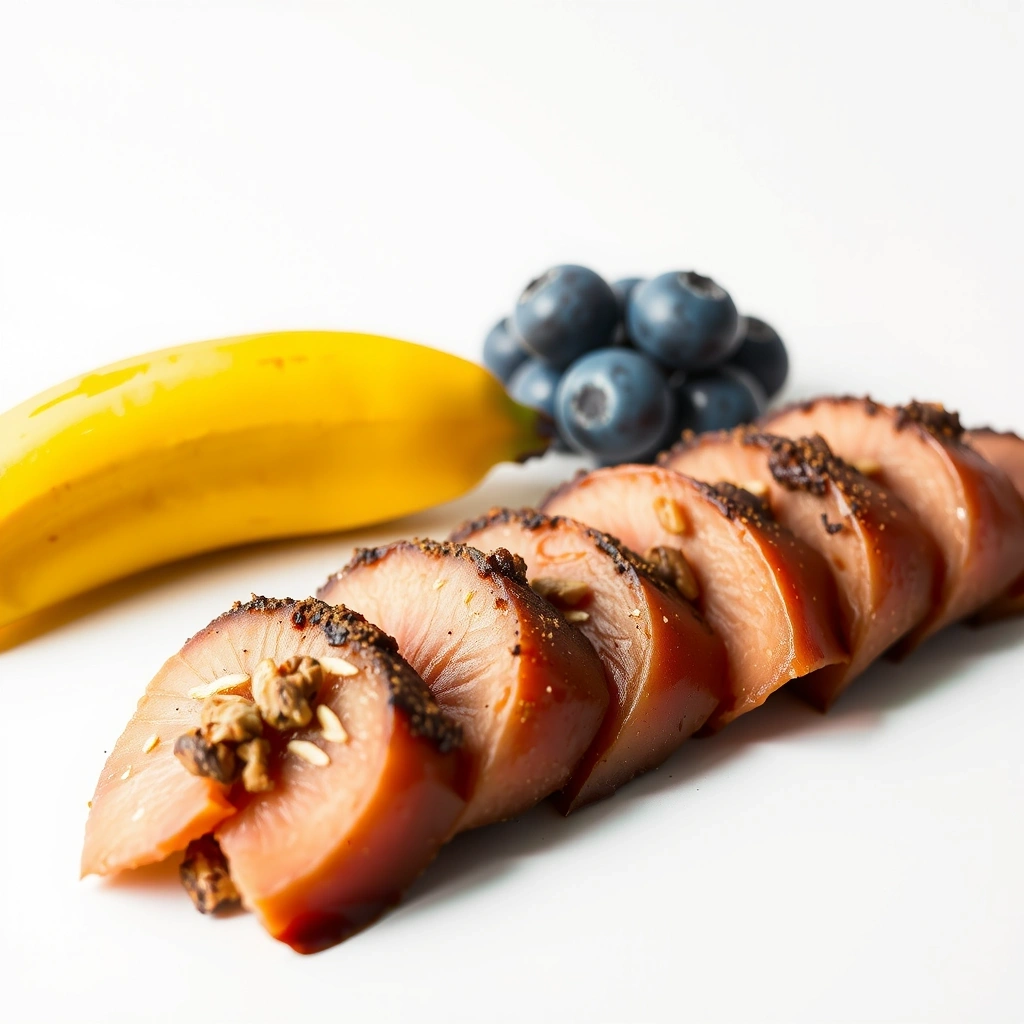
Healing Superfoods
Specific foods with unique healing properties that can accelerate ulcer recovery and provide targeted digestive support

Hydration for Healing
Proper hydration is essential for ulcer healing - discover the best beverages that support recovery and digestive comfort
The Science of Healing Hydration
During ulcer healing, your body requires optimal hydration to maintain the protective mucus layer in your stomach and support cellular repair processes. Proper fluid intake helps dilute stomach acid, reduce irritation, and facilitate nutrient transport to healing tissues.
Maintains Mucus Production
Adequate hydration supports the stomach's natural protective barrier
Dilutes Stomach Acid
Proper fluid balance helps neutralize acidic conditions
Supports Nutrient Transport
Water facilitates the delivery of healing nutrients to damaged tissues

Best Healing Beverages

Daily Hydration Guidelines for Ulcer Healing
Morning
Start with 16-20oz warm water with lemon to stimulate digestion
Between Meals
Small sips throughout the day, avoiding large volumes during eating
Evening
Calming herbal teas 30 minutes before bedtime
During Healing
Increase to 10-12 glasses daily with healing beverages
Supplement Considerations
Strategic supplementation can support healing, but requires careful consideration and professional guidance for optimal results
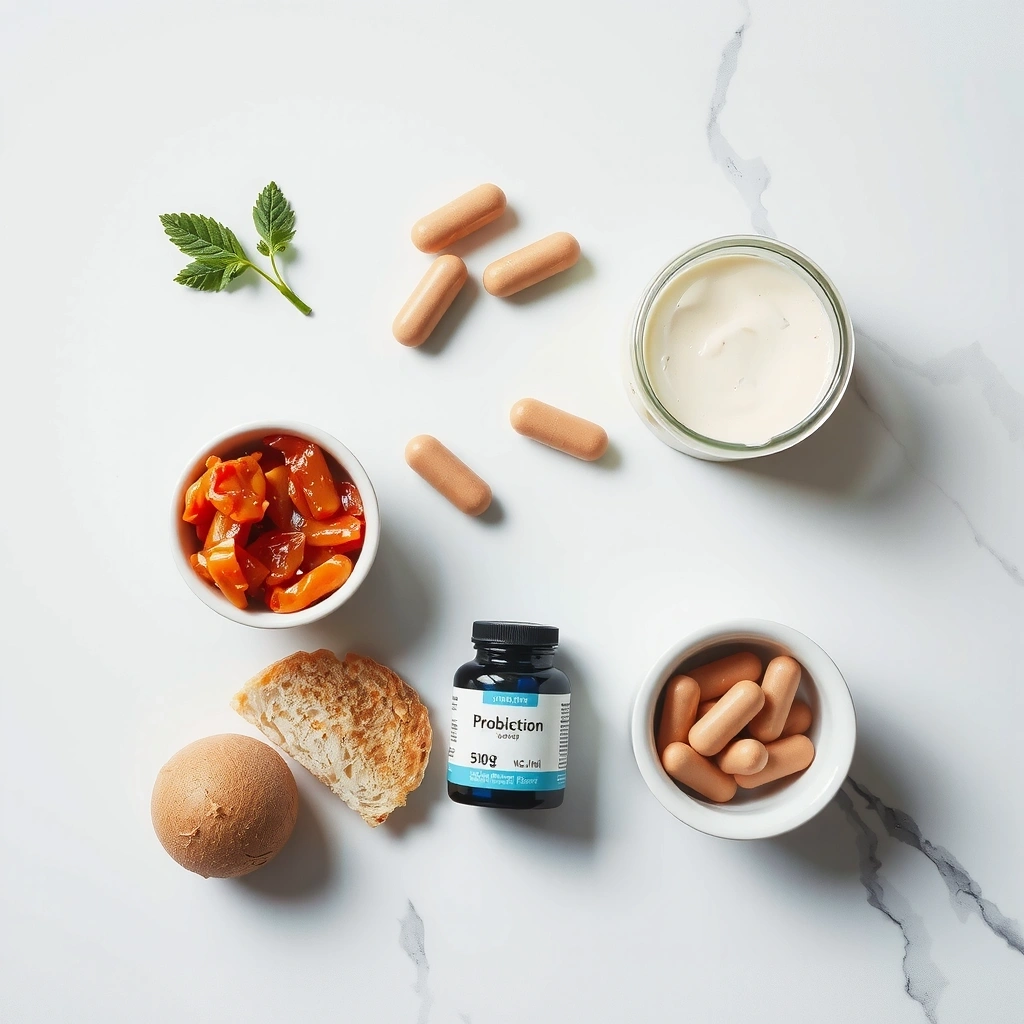
Antibiotic treatments for H. pylori can significantly disrupt your gut microbiome, creating digestive imbalances that may persist after ulcer healing. Strategic probiotic supplementation helps restore healthy bacterial populations and supports digestive function.
Recommended Strains
- • Lactobacillus acidophilus
- • Bifidobacterium longum
- • Lactobacillus rhamnosus
Timing Considerations
Take probiotics 2-3 hours after antibiotic doses to prevent interference. Continue for 4-6 weeks post-treatment.
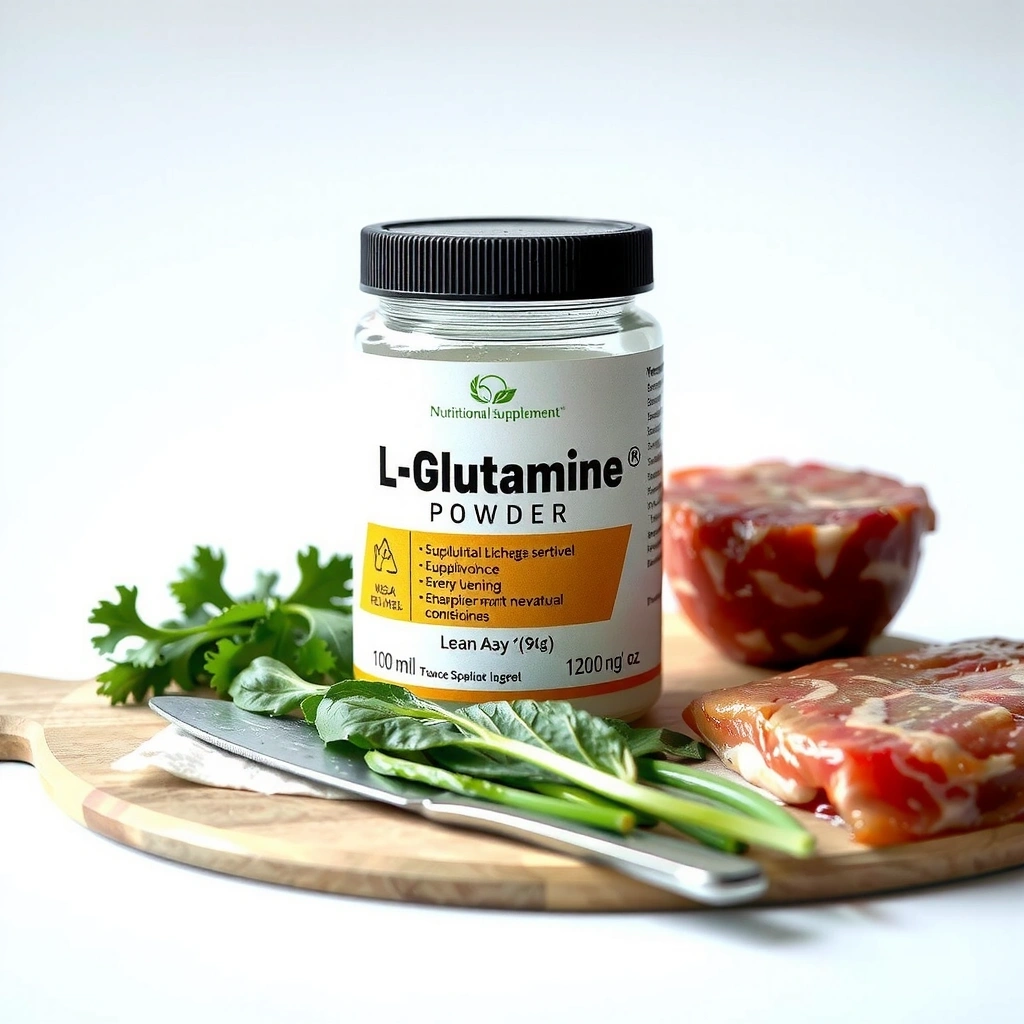
L-Glutamine is the most abundant amino acid in the body and serves as the primary fuel source for rapidly dividing cells in the digestive tract. During ulcer healing, supplemental L-glutamine can significantly accelerate tissue repair and reduce recovery time.
Therapeutic Protocol
- • Dosage: 5-10g daily, divided into 2-3 doses
- • Best taken between meals for maximum absorption
- • Continue for 4-6 weeks during active healing
- • Can be mixed with water or juice
Note: Consult your healthcare provider before starting high-dose L-glutamine, especially if you have kidney disease or other metabolic conditions.
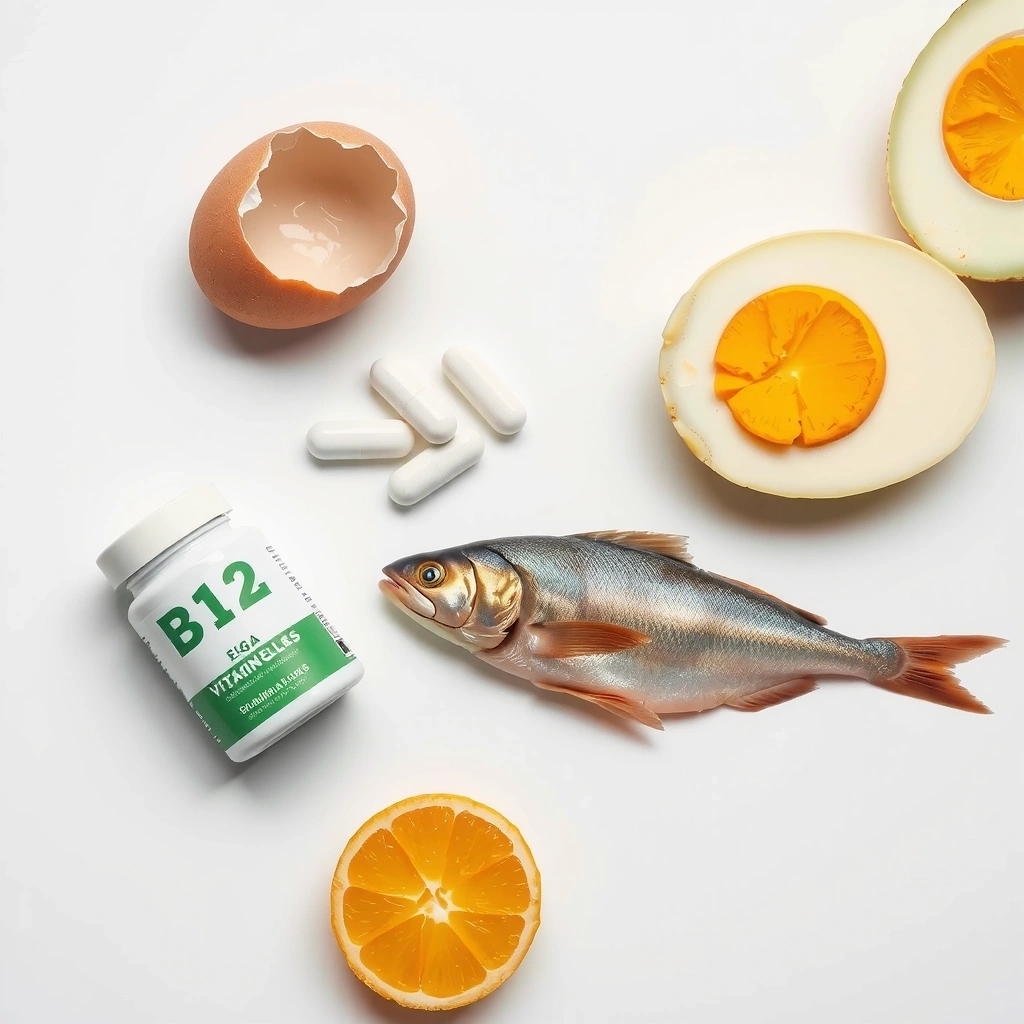
Stomach ulcers and their treatments can significantly impact Vitamin B12 absorption due to reduced stomach acid production. This can lead to deficiency symptoms including fatigue, neurological issues, and delayed healing.
Signs of B12 Deficiency
- • Persistent fatigue and weakness
- • Tingling in hands and feet
- • Memory problems or brain fog
- • Slower than expected healing
Recommended Testing
Request serum B12, methylmalonic acid, and homocysteine levels to accurately assess B12 status before supplementing.
Avoid Supplements If
- • Currently taking blood thinners (Vitamin K interactions)
- • Have kidney or liver disease
- • Are pregnant or breastfeeding (high-dose vitamins)
- • Taking medications that interact with supplements
Always Consult For
- • Doses exceeding recommended daily allowances
- • Multiple supplement combinations
- • If symptoms worsen during supplementation
- • Before starting any new supplement regimen
Professional Monitoring Recommendations
Regular check-ups during supplement therapy help ensure safety and effectiveness. Consider monitoring:
Healing Meal Planning
Structure your daily nutrition with strategic meal timing and food combinations that maximize healing potential
The Healing Meal Framework
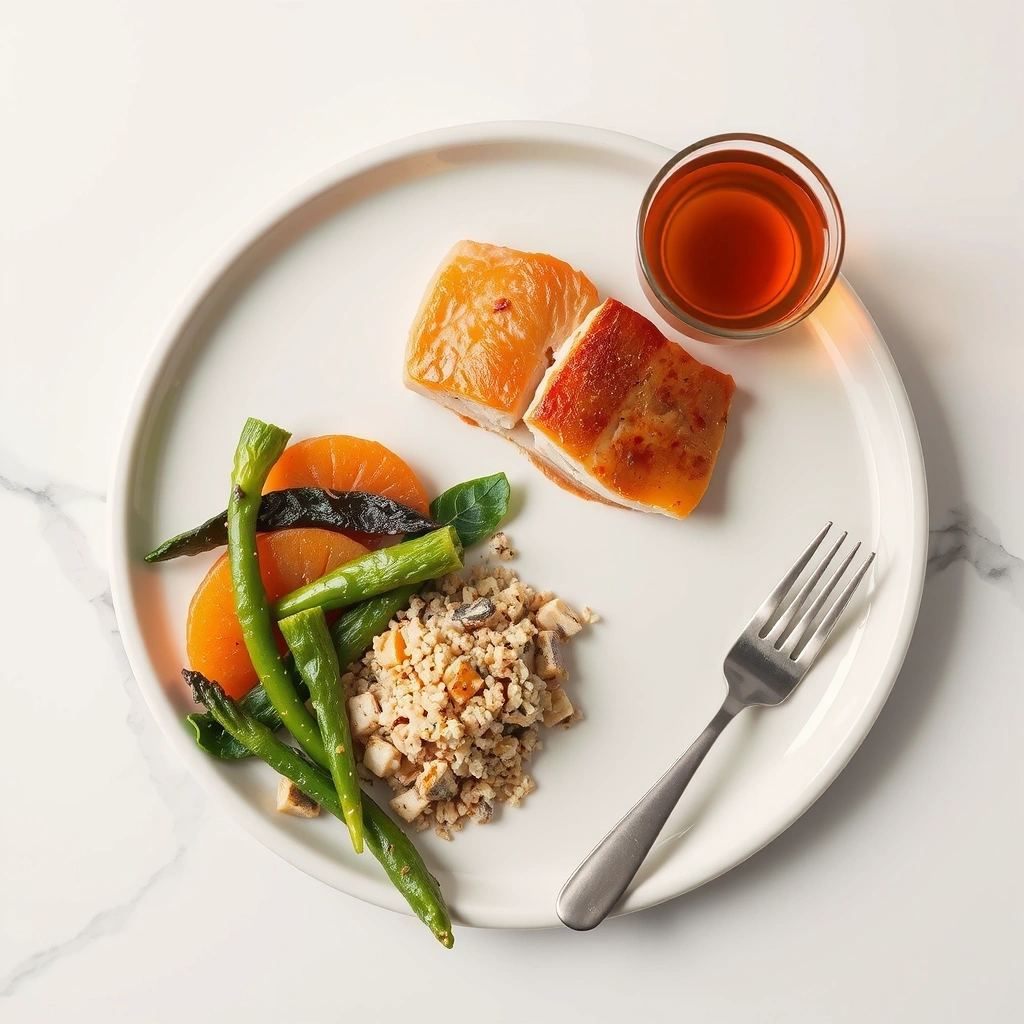
Proper meal structure during ulcer healing focuses on gentle, nutrient-dense foods that support tissue repair while avoiding triggers. The key is balancing therapeutic nutrition with sustainable eating patterns.
Smaller, Frequent Meals
Eat 5-6 smaller meals rather than 3 large ones to reduce stomach stress
Strategic Food Combining
Pair proteins with non-starchy vegetables for optimal digestion
Gentle Preparation Methods
Steam, bake, or poach foods to maintain nutrients and reduce irritation
Sample Healing Day Menu
Morning (6:30 AM)
Warm Water + Lemon
Activates digestive enzymes
7:30 AM Breakfast:
• Steel-cut oatmeal with banana
• 1 boiled egg
• Chamomile tea
Mid-Morning (10:00 AM)
Healing Snack
Protein + gentle carbohydrate
• Greek yogurt (plain)
• 1 tbsp manuka honey
• Herbal tea
Lunch (12:30 PM)
Balanced Healing Meal
Complete protein + vegetables
• Grilled salmon (4oz)
• Steamed broccoli & carrots
• Quinoa (1/2 cup)
• Ginger tea
Afternoon (3:30 PM)
Nourishing Snack
Sustained energy + healing nutrients
• Almond butter (1 tbsp)
• Rice cakes (2)
• Licorice root tea
Dinner (6:30 PM)
Light Healing Dinner
Easy to digest proteins
• Poached chicken breast
• Sweet potato mash
• Steamed zucchini
• Bone broth
Evening (8:30 PM)
Pre-Bed Nutrition
Gentle healing support
• Aloe vera gel (2 tbsp)
• Warm turmeric milk
• Probiotics (if recommended)
Foods to Avoid During Healing
Understanding which foods can delay healing or worsen symptoms helps create the optimal environment for recovery
High-Risk Food Categories
Highly Acidic Foods
These foods increase stomach acid production and can irritate damaged tissue:
- • Citrus fruits & juices
- • Tomatoes & tomato products
- • Vinegar (all types)
- • Pickled foods
- • Wine and beer
- • Carbonated beverages
Spicy & Hot Foods
Capsaicin and other spicy compounds directly irritate stomach lining:
- • Hot peppers & chili
- • Hot sauce & sriracha
- • Black pepper (excess)
- • Curry powder
- • Horseradish
- • Wasabi & mustard
Processed & Preserved
Chemical additives and preservatives can disrupt healing:
- • Processed meats
- • Packaged snacks
- • Frozen meals
- • Fast food items
- • Artificial sweeteners
- • Food colorings
Timing Considerations
Evening Restrictions
Hidden Irritants
These surprising foods can also trigger symptoms:
- Chocolate: Contains caffeine and fat that can worsen symptoms
- Mint: Can relax the esophageal sphincter, allowing acid reflux
- Onions & garlic: Can increase stomach acid production
Safe Reintroduction Timeline
Individual Sensitivity Note
While these foods are commonly problematic, individual tolerances vary significantly. Some people may tolerate small amounts of certain trigger foods once healing progresses. Keep a detailed food diary to identify your personal trigger patterns and work with your healthcare provider to create a customized reintroduction plan.
Remember: Temporary dietary restrictions are an investment in your long-term digestive health and healing success.
Progress Tracking & Monitoring
Monitor your healing journey with evidence-based indicators and create lasting dietary habits for digestive wellness
Measuring Healing Success
Effective monitoring helps you understand your healing progress and identify which nutritional strategies work best for your unique situation. Tracking multiple indicators provides a comprehensive picture of recovery.
Symptom Tracking
Daily monitoring of pain levels, bloating, and digestive comfort provides measurable healing indicators.
Nutritional Compliance
Track adherence to healing nutrition protocols and identify patterns in symptom flare-ups.
Long-term Habit Formation
Monitor the development of sustainable eating patterns that support ongoing digestive health.

Healing Progress Indicators
Week 1-2
Reduced pain frequency, improved sleep quality, better appetite
Week 3-4
Significant symptom reduction, increased energy, normal eating patterns
Week 5-8
Minimal symptoms, stable weight, successful trigger food testing
2+ Months
Complete healing, sustainable habits, optimal digestive health
Daily Healing Checklist
Weekly Review Questions
Ready to Start Your Healing Journey?
Our comprehensive nutrition guide provides the foundation, but personalized guidance can accelerate your healing and ensure sustainable results.